

3. Checking On Your Rice As It Cooks

When you’re cooking rice, just leave it alone. Don’t spend a lot of time checking on it even though it might be tempting to do so if you are not so competent in preparing it. Whenever you open the lid, you release both heat and steam, something that ends up messing with the ratio of water to rice. Just trust the process instead. Perhaps set a timer and don’t check on the rice until it goes off. You will be more likely to get that nice, delicious, fluffy rice you want in the end.
4. Marinating In a Metal Bowl
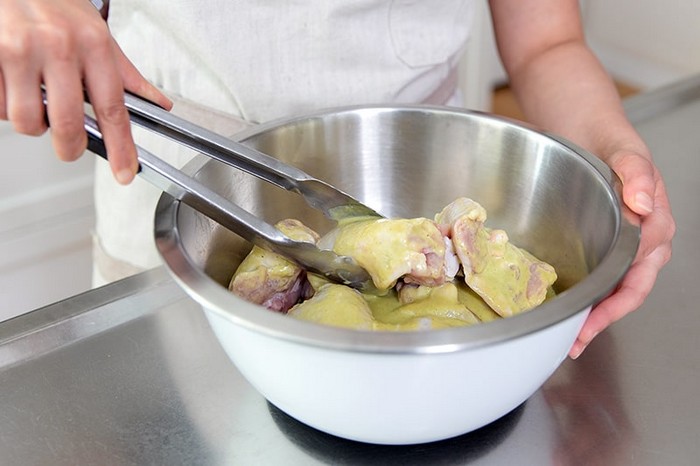
Marinating meat isn’t just about throwing it in a bowl and leaving it there for a day. Since most marinades are acidic in nature, they will react with the metal bowls and instead of getting a tasty meal, the food will end up with a metallic taste. To prevent this from happening, you are advised to marinate meat in plastic bowls, plastic bags, or ceramic dishes. These will allow the meat to marinade without affecting the taste of the food.
5. Flipping Steaks Just Once
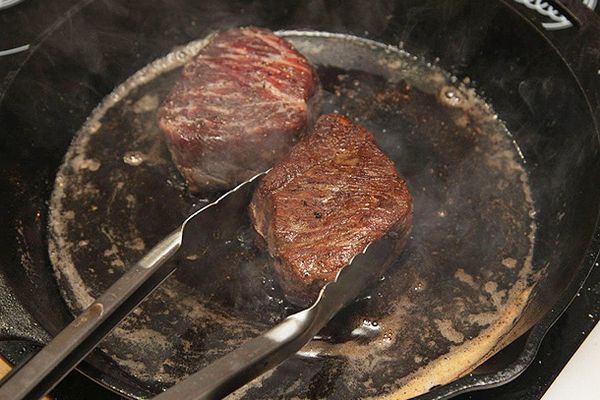
You are supposed to flip your steak just once to allow it to form a nice crust is the advise we’re given over and over. However, doing this deprives you of the opportunity for the inside of your meat to cook well. Flipping your steak frequently allows even cooking of the inside. The crust might not turn out as nice but at least the inside of your steak will be well cooked and flawless.
6. Adding Oil to Pasta Water

Some people who want to avoid getting their pasta sticky by rinsing after cooking will add oil to the pasta water. However, this is not the solution as it will keep the sauce from properly sticking to the noodles. So, don’t add the oil but stir the pasta as you cook it instead. Also, ensure you’ve taken the pasta out of the water while it’s still in an al dente state then toss it with the sauce while it’s still hot.
7. Overcooking Onions

In most cases, the first thing you will add to your pan is onions. However, many will leave the onions to cook for a long time but they shouldn’t do this. Your onions only need to cook for about a minute just so that they are softened enough to add flavor to the dish you will be cooking. If you leave them there, they will burn and gain a smoky taste which you don’t want. Keep in mind that your onions will continue to cook as you add the other ingredients to the pan so don’t allow yourself to have a burnt start.
8. Not Seasoning Your Cooking Water
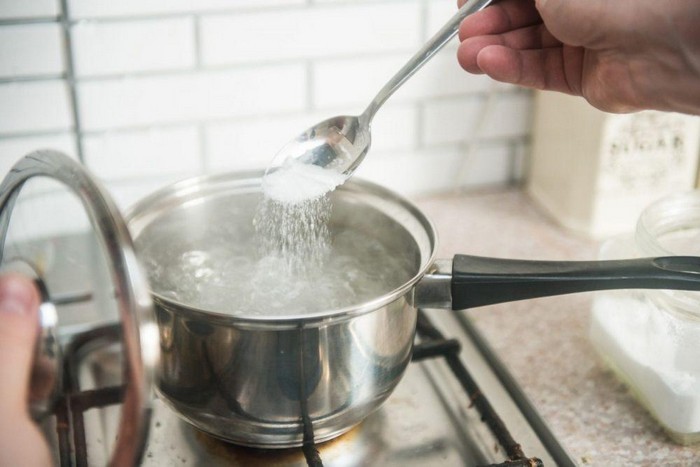
We all know that one should season pasta water but did you know that you should generally season any water that you will be using in your cooking? Whether it’s for potatoes or vegetables, season it. This little salt seasoning will allow you to enhance the taste of whatever meal you are in the process of making. Just ensure you don’t over-salt but instead, sprinkle just a bit of salt to take your dish to the next level.
9. Skipping the Rinsing of Canned Beans
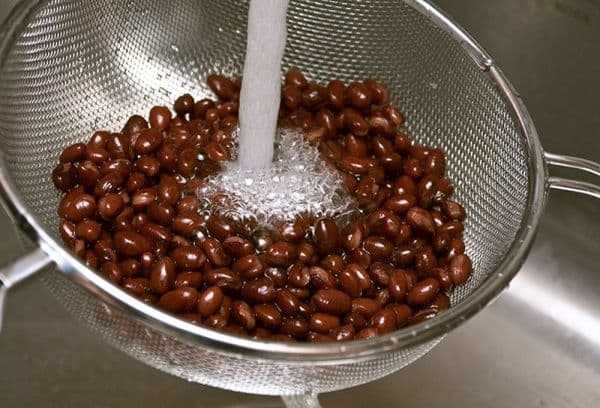
Whenever you open canned beans you want to strain the liquid they’re sitting in and throw them in the dish. However, you should actually rinse the beans properly before cooking them. When you fail to rinse the beans, you leave them with a lot of sodium and even extra starch. When you wash them, however, you will eliminate the lasting metallic taste and add a somehow healthy ingredient to the dish you’re preparing.
10. Opening the Oven to Check on Your Food

Some foods will need your constant attention when you’re preparing them. However, sometimes it’s best to just leave your dishes as they are especially when you’re using an oven. It’s tempting to keep checking the dishes in the oven but you shouldn’t do so. This is because, every single time you open the oven door, heat is released and this leads to a decrease n the oven heat. After that, when you close the door all over again, the oven is forced to get back up to the previous temperature thus extending the cooking time. So just leave your dishes to cook and if you really have to check on them, turn on the oven light and peek a bit.
11. Only Using Non-Stick Cookware
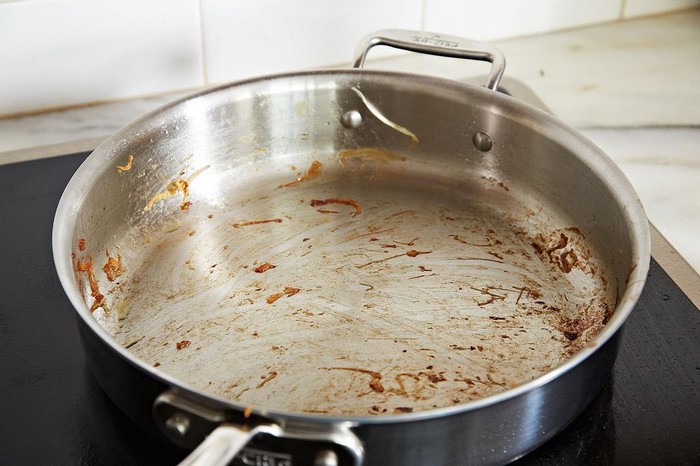
Non-stick pots, as well as pans, were truly some great inventions. These are great and highly recommended for use while preparing any meals, especially if you’ll be preparing some scrambled eggs. This is because getting rid of the residue found at the bottom of that pan you’re using could affect your food’s overall flavor. When the brown residue starts sticking at the bottom of your pan, it will start to look like your food is burning but this is called fond. The fond usually adds quite some flavor to whatever meal you’re preparing, especially if it’s meat or fish. If you want a tasty meal, prepare it in a pan that will allow for fondness to develop.
12. Cooking Egg Dishes Until They’re Completely Done
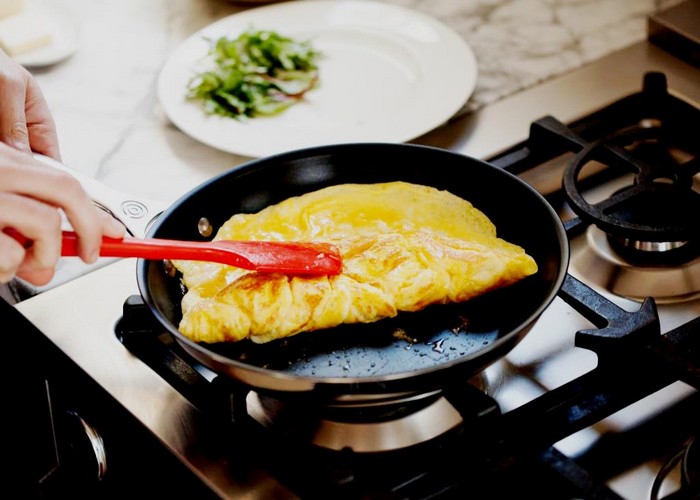
You have probably heard of the dangers of Salmonella severally but you can avoid this terrible bacteria by ensuring you properly cook your eggs. However, be careful not to overcook your egg dishes because it could turn out rubbery and very unappetizing. For your egg dishes, just ensure you cook them until they are just before done. After that, as you transfer it to the plate, it continues to cook until you get the perfect results.
13. Cooking Meat for “Just 5 More Minutes”

Undercooking dishes is something nobody likes. You wouldn’t want to serve raw meat to your esteemed guests. As such, a lot of people are tempted to cook meat a little longer than is required. However, it is not advisable to overcook either. If you’re not certain, it’s best to use a meat thermometer for verification of whether you should take it or any other dish away from the fire or not. Avoid overcooking.
14. Using Dried Herbs Instead of Fresh Ones

Using fresh herbs can be a bit daunting for people who are not the best at cooking. There’s always the risk of the herbs going bad in your fridge so it’s easier for many people to buy dried herbs instead. However, these dried herbs cannot really live up to what fresh ones can. They are not as flavorful as fresh ones. So, as much as possible, always try to use fresh herbs instead and watch them transform your entire meal.
15. Forgetting To Stir
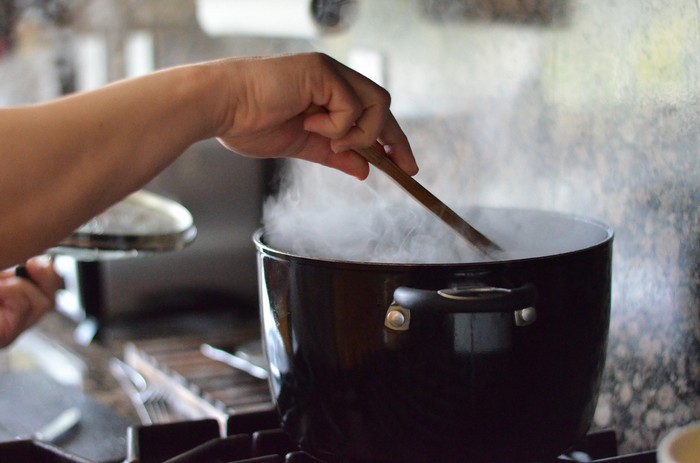
Cooking can sometimes be difficult when you consider just how much attention it needs. However, if you are too busy or get distracted you could end up forgetting to stir your meal, something that could be disastrous. There’s always the need to watch your dish and stir it as much as needed, otherwise, your pan could end up burning around the bottom. When this happens, a smokey flavor will be induced into your food and you will not like it. So keep stirring.
16. Sauteeing Wet Vegetables

A lot of people wash their vegetables before cooking them to get rid of excess dirt or even grime. However, many don’t realize that those vegetables shouldn’t be put straight into the pan for sautéing since the excess water will make them steam. This will affect the crispy and crunchy outcome that you were hoping to get. Instead, pat the veggies dry before you toss them onto your pan for a quick saute.
17. Following Pasta Instructions Too Closely

A lot of people who cook at home rely on the instructions found on the packaging to make their pasta. That said, it’s good to give yourself some room to wiggle around. When you follow the instructions too much, you could easily end up overcooking your pasta. That said, chefs suggest draining your pasta at least two minutes before you get to the recommended cooking time. That way, you can easily combine pasta with the sauce you have so that it simmers for about a minute or two. Taking pasta off earlier just makes sure it does not end up overcooking as it simmers and that the flavors combine well with the noodles.
18. Failing To Fully Preheat Your Oven
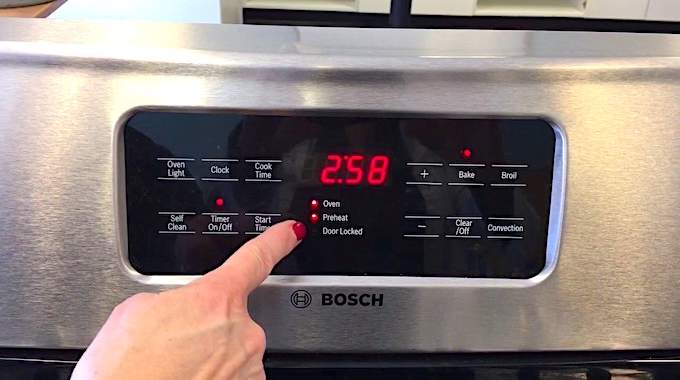
It may be annoying to wait for your oven to be fully preheated and sometimes, it even looks unnecessary. However, failure to preheat your oven could result in very disastrous consequences. The moment you open the door, the temperature of the oven drops and if you did not preheat it, it could end up tampering with your cooking time and the result. If anything, a lot of chefs recommend that you even leave the dish inside the oven for about 15 minutes after the light has gone off to make sure the oven can maintain the required temperature when you place your dish inside.
19. Trying To Save A Bad Dish With More Ingredients

Sometimes some dishes just backfire even for the best of cooks. However, when this happens, some will do their best to salvage the dish perhaps by tossing in some more ingredients. Sadly though, doing this never saves the day. If anything it worsens the situation. So, if a dish turns out terrible, you should really just throw it away instead of wasting more ingredients. Just accept to start over.
20. Cooking Meat In A Cold Pan

Cooking meat in a cold pan is also another mistake people make that will spoil your meals. Placing your raw meat on a pan that has not been heated will easily end up getting your meat stuck on the bottom of your pan. This is an inconvenience as you will be unable to get a great sear on the meat. You can avoid this by putting a layer of oil on the bottom of your pan then letting it heat up. When it gets very hot, add the meat and you will notice a big difference, one that you will like.
21. Adding Garlic Too Soon
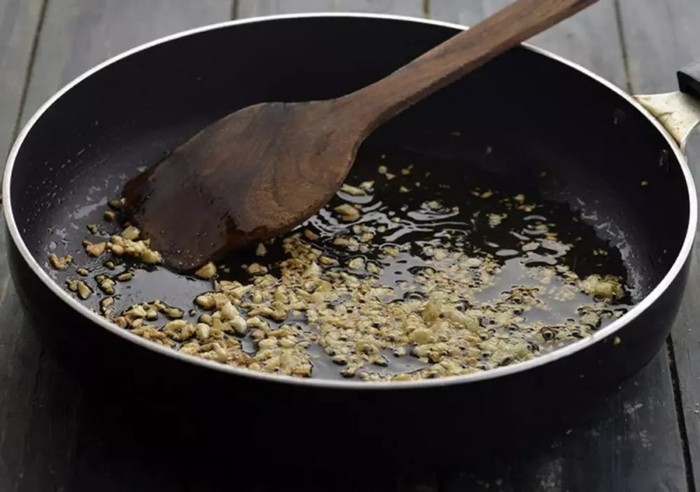
Garlic is often used in cooking as it makes food very delicious. However, you need to be very careful with the timing when it comes to adding the garlic since it burns so fast over high heat. You don’t want it to lose its amazing flavor. So, instead, add the garlic right when you are about to finish cooking. Alternatively, add it when the pan has enough ingredients so that it does not get burnt.
22. Boiling Vegetables In Cold Water

When you decide to boil those vegetables that are full of starch such as the ones that grow under the ground, you start by placing them in a pot filled with cold water and then boil them before allowing them to simmer. It is right to do this but you cannot apply the same technique to vegetables that grow above soil. For those ones, you start with already boiling water before dropping the vegetables inside the pot so that the cells can soften allowing them to cook faster and perfectly.
23. Not Sifting Flour
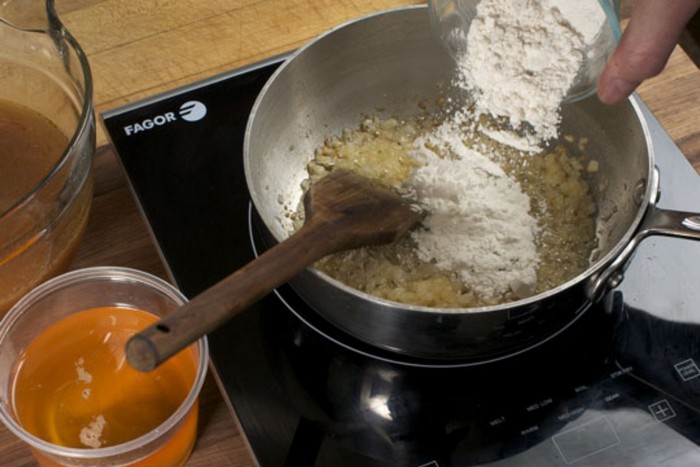
Flour is a very important ingredient for baking and also in savory cooking as it helps thicken gravy or sauce. However, it is not right to just toss the flour into the gravy. For best results, you need to push it through a sifter. This ensures you don’t end up with lumps. Instead, you will get a thick but smooth sauce.
24. Not Adding Pasta Water to Your Sauce

When a lot of people are making pasta, they often strain away all the water. However, in doing so, you are eliminating a very important ingredient that is useful in making your dish better. Every single time you make your pasta, reserve half a cup of the water from the pasta and add this to the sauce. This will add more flavor to the sauce and will ensure the sauce sticks very well to the pasta.
25. Speeding Up The Process of Cooking
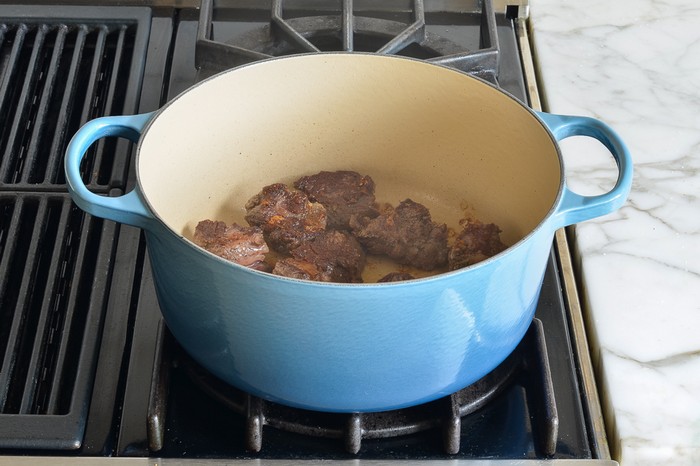
Some meals are better cooked for a short time but there are others that you would have to cook for a much longer and you should therefore not rush the process. For some especially those involving stews, you will have to simmer for over two hours. If you are in a hurry, do not raise the temperatures in an attempt to cook it fast. This could damage the consistency of the dish. If it’s meat, it could end up dry or with a very thin sauce. So, keep things slow and steady.
26. Marinating Seafood For Too Long

In most cases, more time will mean a better marinade which will add so much flavor to a dish. This is especially the case with red meats. However, when it comes to seafood, you really do not need to marinate it for as long as you do red meat. If anything, just 2 hours is enough for those. If the marinade is acidic, take the seafood out after just 20 minutes. If you let seafood marinade much longer, the juices will end up cooking which will make the seafood too soft and mushy. So no need to prepare your seafood 24 hours in advance.
27. Using Cold Ingredients

Whenever you’re baking, it’s important to keep in mind the temperatures of the ingredients you will be using. You should allow ingredients such as milk and others to warm up first before you add them into the concoction and mix them into the batter. By doing so, you allow them to mix much faster and more easily. As a result, you will have a fluffier and more delicious product. So when you’re starting out, take all the refrigerator ingredients and place them on the counter to allow them to warm up.
28. Always Choosing Lean Ground Beef

When you are choosing ground beef at the grocery store, you will most likely choose lean beef because it’s supposed to be healthier. However, you shouldn’t always eliminate the fat because you need it. When you’re making things like burgers, meatballs or meatloaf, the extra fat adds some much-needed moisture to your food. It also improves the flavor.
29. Cooking Mash With Waxy Potatoes

Nothing’s better than that thick bowl of mashed potatoes that are all creamy. However, when it comes to making this by yourself, things may not be as easy as you would wish for them to be. Fortunately, you can easily achieve some delicious mashed potatoes by looking for Russets or Yukon Gold which contains high levels of starch. Red and white potatoes are waxier inconsistently often resulting in a great mash.
30. Rinsing off Pasta

Whenever you strain pasta after cooking it’s normal for many to rinse it in cold water but this is a mistake. As long as you have cooked your pasta correctly, no need for this as your pasta will not go mushy. When you decide to rinse off your pasta, you cool down the noodles and force them together which will just bring an unwanted texture and flavor. Simply eliminate that step for better results.
31. Adding Ingredients Following the Wrong Order
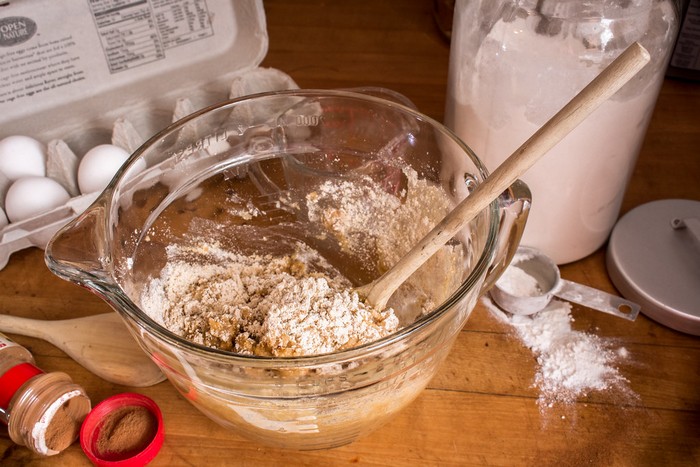
When you start cooking, it is very tempting to throw things inside the bowl and hope or wait for the best results. However, it is very important that you maintain the required order for adding ingredients to make your dishes. The timings also matter. So, stick to adding the ingredients when they are supposed to be added even if doing so will take much longer than mixing everything together at a go. Believe us, you will love the final product of the slower process.
32. Immediately Cutting Into Cooked Meat

If you’ve prepared a delicious steak, it’s common that you must allow it to rest before you slice into it. Sure, you might feel the urge to slice into it right after you’ve taken it out of the grill, but the taste gets better after you have allowed it to sit for a couple of minutes. This is because allowing it to sit gives the juices an opportunity to redistribute after all the constriction they have undergone during the entire process. This results in better flavor.
33. Putting Too Many Vegetables On The Pan
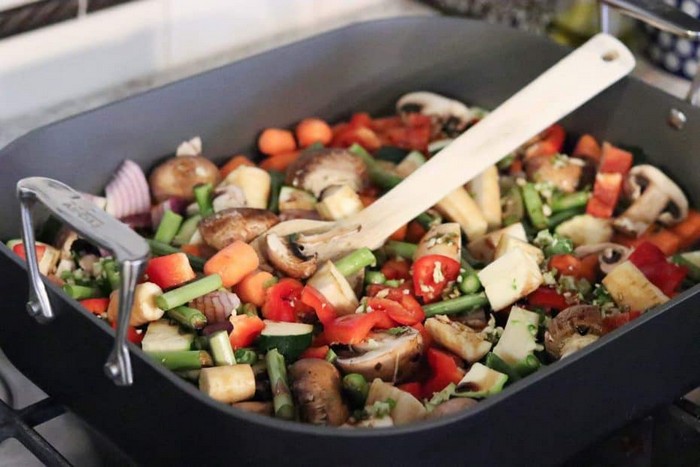
If you will be roasting vegetables, it’s best that you ensure there is plenty of space for them in the pan. A lot of people end up overcrowding vegetables in the hopes of getting a healthier meal. This will however put your vegetables at risk of becoming soggy. The more vegetables you have in a pan, the more moisture you have to cook away. You will end up steaming as opposed to roasting them. So, if you are looking to get crispy vegetables in a nice golden brown color, just ensure there is a smaller quantity.
34. Seasoning Food At the End of the Cooking Process
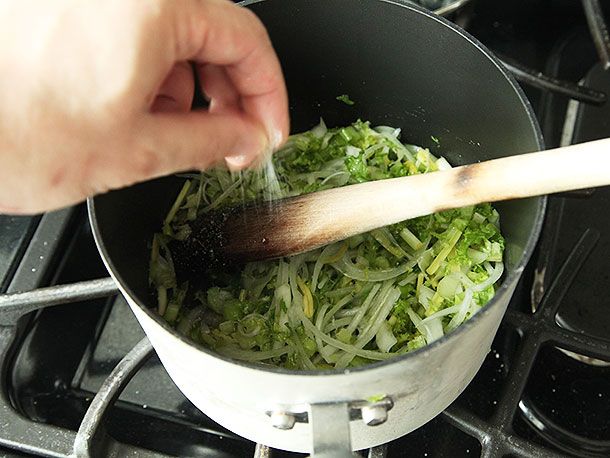
Seasoning food can be a little nerve-wracking if you are not that experienced when it comes to cooking. Obviously, it’s because you wouldn’t want to use too much of a seasoning ingredient. It is this fear though that makes beginners underseasoned their food. However, it is important to add the seasoning bits earlier so that they properly infuse into your dish for a nice and rich flavor.
35. Failing To Read The Recipe All The Way Through
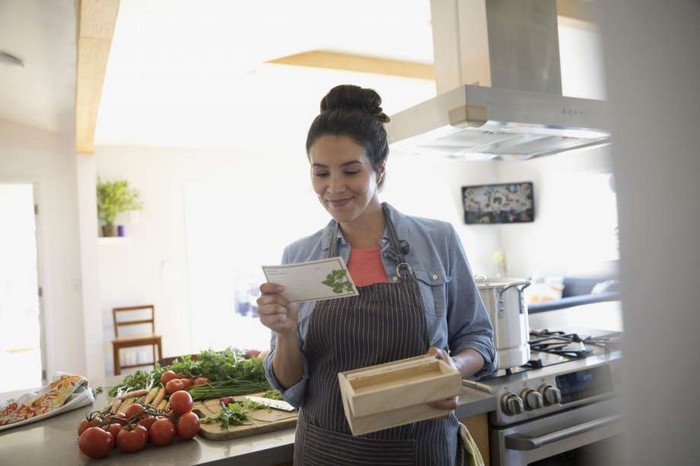
All cooks, regardless of their length of experience always need to properly read instructions in full before they proceed with the cooking. It doesn’t matter how straightforward the process may be. This is because you might encounter some surprises in the process for example when it comes to the time required for the meal to actually cook depending on the ingredients. To come up with the best meal, it’s best to know exactly what you want.
36. Not Prepping Your Ingredients

Prepping the ingredients you will be using while cooking seems like such a mundane thing. It may seem very tedious to cut or chop your vegetables and organize them first, however, regardless of the time it takes to do so, it is the key to achieving a great meal. Prepping ensures you have everything ready to add to your pot when making the dish without wasting time which could lead to overcooking of other ingredients. So, prep your ingredients so that you get the best results.
37. Skipping The Deglazing Of Your Pan

While you are cooking, you will notice that some parts of your meal start to stick to the pan and will somehow look burnt. You can easily feel tempted to ignore the burnt parts and throw them away when you are done cooking. However, you can actually incorporate those burnt bits into your food to make it even better. When you first notice the burnt bits, all you need to do is deglaze the pan you are using. This will help you create a delicious sauce. You can deglaze using lemon juice, tomato sauce, and many other ingredients.
38. Boiling Instead of Simmering
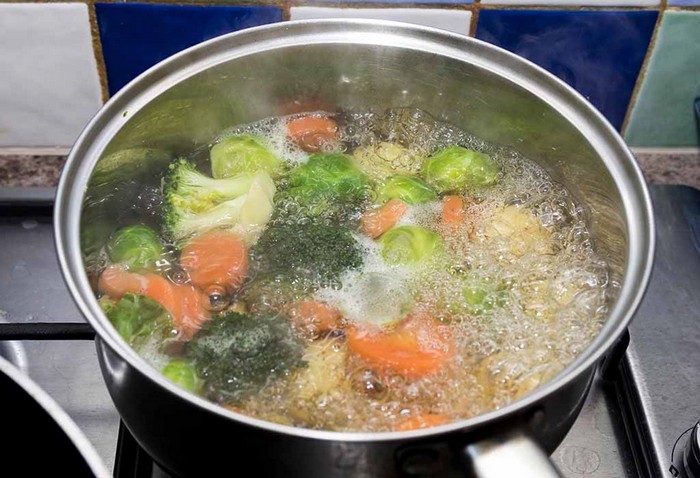
There’s a difference between boiling and simmering. However, some do not really realize the fine line that exists between these two especially if they are not experienced cooks. It is important to know the difference so that you do not wreck the dish you’re making. A simmer simply means that a bubble will end up breaking on the dish surface after every few seconds. If the bubbles are consistent, then that means you’re boiling the dish not simmering. So, always ensure you know exactly what to do.
39. Failing To Measure Exactly While You’re Baking

There’s a certain science when it comes to baking in the oven that’s different from cooking in a pan. That is, with a pan, you could easily get away with estimating measurements. However, baking needs a certain level of precision so you have to ensure you are adding every single thing in the right portions so that you get fluffy results. If you do things your own way, you are likely to end up with results that are pretty inedible and you wouldn’t want that.
40. Over-Softening Butter

Recipes created for baked goods and snacks such as cookies and cakes in most cases require butter that has been softened. However, the softened butter is usually not specified, unfortunately. in case you aren’t too sure about what softened butter is you could easily end up overdoing it with the soft butter you use which could result in flat cookies or cakes being too chewy. You should ensure softened butter is well relaxed under finger pressure but it shouldn’t lose its shape. If you can somehow manage to achieve that perfect balance, you can easily end up with flawless baked goods.
41. Failing To Rinse Rice
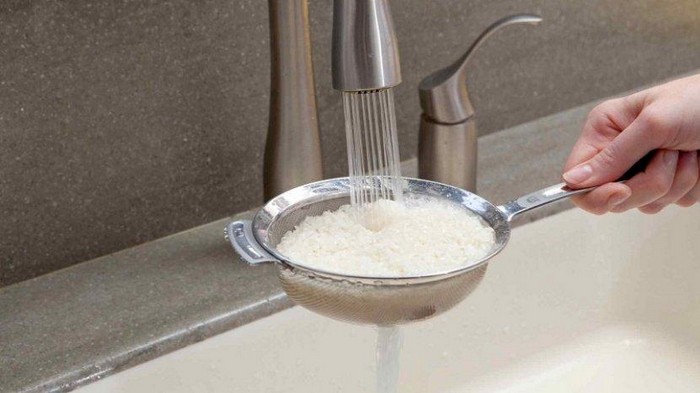
If you will be having rice for dinner, ensure you wash it before it goes into your pot however unnecessary this step may seem to you. This is because washing it actually helps in making the perfect rice. Usually, rice that comes straight from your pack has a starch coating which easily makes your grains very sticky and even gooey the moment you have finished cooking it. So, when you rinse the rice, you get rid of this unwanted starch coating.
advertisement